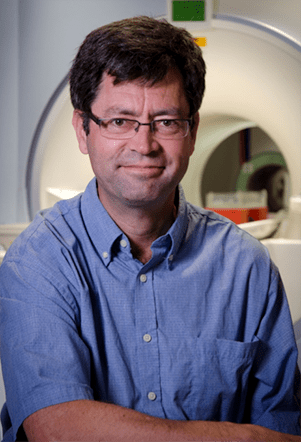
UTARI Seminar is held the last Friday of each month at 12:00PM (noon). Each seminar highlights a different speaker who will discuss their latest research projects, cutting-edge technology or what is happening within certain technological industries. These industries include biomedical technologies or microsystems, assistive technologies, automation and intelligent systems, unmanned systems, advanced manufacturing and composite materials.
Speaker
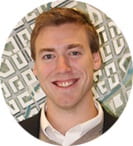
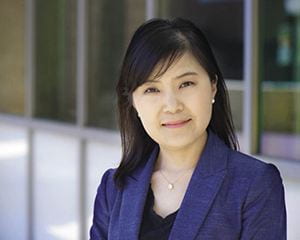
Dr. Yan Wan
Topic
Co-Design of Networking and Decentralized Control to Enable UAV Networks in an Uncertain Airspace
Abstract
UAV networks that utilize UAV-to-UAV communication for information exchange, safe maneuvering, and coordination for time-critical missions have come to the forefront of research. Although the advantages of unmanned UAV networks (transportability, wide coverage, unmanned maneuvering, low latency, and flexibility) allow broad novel civilian applications, UAV networks do not yet exist in the National Airspace System. New technical challenges need to be conquered, summarized as mobility (frequent network topology variation), safety (stringent safety requirement of aerial maneuvers), and uncertainty (the sharing of resource-constrained uncertain airspace). We will discuss an innovative theoretical research paradigm to tackle the new challenges. Departing from the constrained design perspective, the paradigm proactively exploits the constraints, uncertainty, and new structures with information to enable high-performance designs. In particular, uncertainty-exploiting decentralized control facilitates robust networking, and practical networking techniques facilitate fast decentralized control under uncertainty.
Bio
Dr. Yan Wan is currently an Associate Professor in the Electrical Engineering Department at the University of Texas at Arlington. She received her Ph.D. degree in Electrical Engineering from Washington State University in 2009 and then postdoctoral training at the University of California, Santa Barbara. Her research interests lie in developing fundamental theories and tools for the modeling, evaluation, and control tasks in large-scale dynamic networks and cyber-physical systems, with applications to air traffic management, airborne networking, systems biology, and complex information systems. Her research has been funded by the National Science Foundation, National Institute of Standards and Technology, Institute of Electrical and Electronics Engineers, and MITRE Corporation as subcontracts from Federal Aviation Administration. Dr. Wan’s research has led to over 120 publications and successful technology transfer outcomes. Her contributions to the field of air traffic management, airborne networking, and general cyber-physical systems have been recognized by several prestigious awards, including the National Science Foundation Early Career Development (CAREER) Award, RTCA William E. Jackson Award, U.S. Ignite and GENI demonstration awards, IEEE WCNC Best Paper Award, UNT Early Career Award for Research and Creativity, and Tech Titan of the Future – University Level Award.
Date
Friday, August 25, 2017
Time
12pm (noon)-1pm
Location
7300 Jack Newell Boulevard South Fort Worth, TX 76118-7115 817-272-5900
UTARI Seminar is held the last Friday of each month at 12:00PM (noon). Each seminar highlights a different speaker who will discuss their latest research projects, cutting-edge technology or what is happening within certain technological industries. These industries include biomedical technologies or microsystems, assistive technologies, automation and intelligent systems, unmanned systems, advanced manufacturing and composite materials.
Speaker
Dr. Young-tae Kim, Associate Professor of Bioengineering of The University of Texas at Arlington and Associate Professor of Urology (Adjunct) at The UT Southwestern Medical Center
Topic
“Flexible Polymer MicroChannel Electrode Array (FlexmCEA) for Interfacing Small Nerves: Innovative tool for Bioelectronic Medicine”
Abstract
Bioelectronic medicine is a fast emerging field of developing medicines that use electrical impulses to precisely modulate the body’s neuronal circuits as an alternative to drug-enabled therapeutics. For example, Rheumatoid arthritis, an autoimmune disease causing chronic painful inflammation in major and minor joints as well as destroying the joints, can be effectively treated by vagus nerve stimulation. Instead of current therapies using anti-rheumatic drugs (i.e., reducing inflammation), the electrical stimulation to the patient’s vagus nerve can reduce the production of tumor necrosis factor from the spleen, leading to the significant decrease of the inflammatory derived pains from the joints.
However, current implantable devices for electrical stimulation are not designed for target specific nerve stimulation. For instance, electrodes that electrically activate the vagus nerve stimulate over 100,000 neuronal axons, which innervate many different internal organs from spleen to liver. It results in numerous unwanted side-effects.
To address this important need, our Bioelectronic Medicine Working Group (research scientists at UTARI and Bioengineering at UTA) have brought their diverse expertise in innovative electrode design and fabrication, reliable automated manufacture, neuroscience, and neuroengineering together to create a reliable, easy-to-implant/removal without nerve damage, and chronic implantable electrode device for modulating (e.g., recording, stimulating and blocking the neural activities) the small nerves. In this presentation, I will present our Working Group’s current research in Bioelectronic Medicine for treatment of hypertension using FlexmCEA for modulating small nerves.
Speaker Bio
Young-tae Kim received his Ph.D. degree in Bioengineering from the University of Utah in 2004 and worked at the Georgia Institute of Technology in 2007. He is currently an Associate Professor of Bioengineering at the University of Texas at Arlington and an Associate Professor of Urology (Adjunct) at the UTSW Medical Center. His research interests include bioelectronic medicine, early cancer detection in the point-of-care manner, engineering enabled neuro-oncology, and high-throughput brain cancer drug screening.
Date
July 28, 2017
Time
12 noon – 1 p.m.
Where
UTARI 7300 Jack Newell Boulevard South Fort Worth, TX 76118-7115 817-272-5900
UTARI Seminar is held the last Friday of each month at 12:00PM (noon). Each seminar highlights a different speaker who will discuss their latest research projects, cutting-edge technology or what is happening within certain technological industries. These industries include biomedical technologies or microsystems, assistive technologies, automation and intelligent systems, unmanned systems, advanced manufacturing and composite materials.
Speaker
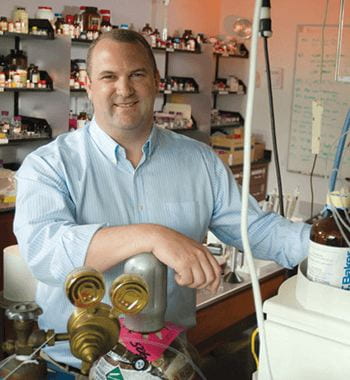
Vassilis Athitsos
Topic
Human Motion Analysis Using Computer Vision: Some Applications, Methods, and Challenges
Abstract
There are numerous real-world applications that can benefit from computer vision methods performing human motion analysis. This talk will discuss some of the human motion analysis projects that we have been pursuing over the last several years, including sign language recognition, fall detection, and automatic scoring of physical exercises. These projects have presented several important challenges, that are commonly encountered in human motion analysis. One such challenge is the lack of adequate amounts of training data, that necessitates the use of machine learning methods that can be effective with only a few examples of training objects per class. Another challenge is the difficulty of accurate detection and tracking of individual body parts, which necessitates the development of recognition modules that are robust to detection and tracking errors.
A third challenge is matching the typical human motion analysis paradigms developed by the computer vision community with the needs of actual applications, as oftentimes the assumptions made in the lab are not suitable for applications in the real world. The talk will discuss methods that we have developed, results on our target applications, and remaining open problems.
Bio
Vassilis Athitsos received the BS degree in mathematics from the University of Chicago in 1995, the MS degree in computer science from the University of Chicago in 1997, and the PhD degree in computer science from Boston University in 2006. In 2005-2006 he worked as a researcher at Siemens Corporate Research, developing methods for database-guided medical image analysis. In 2006-2007 he was a postdoctoral research associate at the Computer Science department at Boston University. Since August 2007 he is a faculty member at the Computer Science and Engineering department at the University of Texas at Arlington, where he currently serves as associate professor. His research interests include computer vision, machine learning, and data mining. His recent work has focused on gesture and sign language recognition, detection and tracking of humans using computer vision, face detection and recognition, and efficient similarity search in multimedia databases. His research has been supported by numerous grants from the National Science Foundation, including an NSF CAREER award.
Date
Friday, January 26, 2017
Time
12pm (noon)-1pm
Location
7300 Jack Newell Boulevard South Fort Worth, TX 76118-7115 817-272-5900
A Walmart Initiative to Create Affordable, Flexible Automated Solutions to Bring Manufacturing Back to our Nation:
Reshoring US Manufacturing Processes
Learn about what is happening locally, regionally, statewide, and nationwide from our diverse set of established speakers from industry, government, and academia.
Showcase New Products and Technologies
Take advantage of the symposium’s platform to proudly display your products and inspire others through your success story.
Take Part in Shaping the Future
The topic of the symposium will focus on new automated and product independent methods that are the future of manufacturing.
Exhibitor fee – $120 (Includes floor space for presenting & includes two attendee passes)
Agenda: June 3, 2015
9:00AM – 10:00AM
Registration and Light Breakfast
Vendors may begin setting up their booths at this time.
10:00AM – 10:10AM
Opening Remarks and Introduction
Dr. Mickey McCabe | Executive Director, UT Arlington Research Institute
Dr. Mickey McCabe has provided leadership for various research organizations for more than 30 years in both the university and industrial arenas. He has been a leader in creating technology-based economic development resulting from successful R&D programs. His technical experience and background are in the areas of polymers, fibers and composite systems. He is the sole inventor on U.S. Patent # 4,661,336 concerning the production of carbon fibers.
10:10AM – 10:50AM
Walmart + U.S. Manufacturing
Mr. Joe Quinn | Senior Director, Walmart
Joe Quinn is Senior Director, Issue Management and Strategic Outreach, for Walmart Corporate Affairs. Since 2009 Quinn has assisted with the management of the company position on issues ranging from health care reform to national elections. Quinn helps build Walmart relationships with third parties and outside coalitions, and is involved in the communication of grassroots messaging to both internal and external audiences.
10:50AM – 11:10AM
Break/Networking Session
Take some time to meet and discuss with speakers, exhibitors and attendees.
11:10AM – 11:25AM
UT Arlington and Engagement with the Manufacturing Community
Dr. Vistasp Karbhari | President, The University of Texas at Arlington
A visionary leader and accomplished scholar, Vistasp M. Karbhari took office in June 2013 as the eighth president of The University of Texas at Arlington. He is committed to advancing UT Arlington’s national and international profile while strengthening excellence in research and teaching and ensuring the success of the University’s 50,000 on-campus and online students. A prolific researcher and seasoned administrator, President Karbhari has served as principal investigator or co-principal investigator on more than $37 million in research projects and authored or co-authored more than 460 papers in journals and conference proceedings.
11:25AM – 11:45AM
The Economic Impact of Manufacturing in Texas
Senator Kelly Hancock | Texas State Senate, District 9 Representative
Senator Kelly Hancock has been acknowledged for his efforts in promoting fiscal responsibility and conservative values. Currently he is the Chair of the Senate Administration Committee, and has been recognized as a “Courageous Conservative”, a “Champion of Small Business”, and a “Lone Star Conservative Leader”. Senator Hancock also received the 2015 Guardian of Small Business award from the National Federation of Independent Business.
Dr. Aditya Das | Senior Research Scientist, UT Arlington Research Institute
Aditya Das, Ph.D, joined The University of Texas Arlington Research Institute (UTARI) in January 2010. His current research and development focus includes flexible manufacturing, heterogeneous system integration, low volume manufacturing, knowledge-based automation, miniaturization technology, and human-machine interface.
12:00PM – 1:15PM
Lunch and Technology Showcase
Take some time to network with attendees and visit exhibitors’ booths.
1:15PM – 1:45PM
Remarks from the New Mayor
Mayor W. Jeff Williams | City of Arlington
Jeff Williams is President of Graham Associates possessing 34 years of experience in civil engineering. During his career, Jeff has worked on a diverse array of high profile projects including parks, town centers, sports complexes, and churches. Jeff also has served as the Civil Engineer for some of the landmark projects in his hometown of Arlington.
1:45PM – 2:15PM
Trinity River Vision and Development Update
Mr. Matt Oliver | Trinity River Vision Authority, Public Information Officer
Matt Oliver has worked in public relations and community outreach for the Trinity River Vision project since September of 2009. He serves as the media contact for TRVA, gives project updates to a wide range of organizations, manages print media projects and assists with the execution of events related to the project.
2:15PM – 2:30PM
Texas Wide Open for Business
Ms. Janie Havel | Office of the Governor, Economic Development & Tourism
Janie Havel serves as the Representative for the Governor’s Office for the North and Northeast Texas Regions. These regions include 47 counties from central Texas to the Arkansas, Louisiana, and Oklahoma borders. Responsibilities include serving as a liaison between the Governor’s office and economic development corporations, as well as other state agencies
2:30AM – 2:40PM
U.S. Manufacturing Advisory Board
Mr. Jonathan Kretz | Director of Business Development and Marketing, UT Arlington Research Institute
Jonathan Kretz is tasked with supporting and facilitating business development activities and opportunities at UTARI. He is responsible for assisting UTARI in meeting its commercial potential by identifying and developing strategic partnerships in UTARI’s research focus areas.
2:40PM – 2:50PM
Split for Track Sessions/Break
2:50PM – 3:30PM
Track Sessions
Track A: Improving Productivity and Profitability Using Practical Solutions
Mark Sessumes | Director of Technical and Management Assistance & Consulting (TMAC)
Mark Sessumes has 30 years of experience working with organizations to accelerate their profitable growth using Innovation, Productivity, Technology and Management Systems best practices. His special interest is working with leadership teams to adopt management and support systems necessary for enterprise transformation.
Track B: Precision Automation and On-Demand Production via Flexible Manufacturing Systems
Dr. Brian Huff | Associate Professor of Industrial & Manufacturing Engineering UT-Arlington
Brian Huff Ph.D, has an extensive research record in the areas of: automated process development, the design and deployment of reconfigurable automation systems, and system capacity analysis using discrete event simulation techniques.
3:30PM – 5:00PM
Symposium Reception and Networking
A very special thank you to all attendees. We hope to be working with you soon.
New Vacuum Ultraviolet Spectroscopy Detector for Analysis of Volatile and Semivolatile Organic Compounds
Join us for lunch Tuesday, April 28 from 12-1 p.m. as Dr. Kevin Schug presents during this month’s UTARI seminar.
Abstract:
The detection and determination of volatile and semivolatile organic chemicals in solids, liquids, and gases is generally carried out using gas chromatography instrumentation. Performed separations are detected by a variety of means, the mass spectrometer (GC-MS) being the most commonly used when high sensitivity and specificity is necessary. However, GC-MS has some drawbacks. Isomeric and isobaric, as well as highly labile compounds have proven problematic. From a hardware perspective, mass spectrometers require a great deal of power and cumbersome vacuum systems. As a viable alternative, our group has been working with Austin-based VUV Analytics, Inc. to develop a new vacuum ultraviolet absorption spectroscopy detector for gas chromatography (GC-VUV). The benchtop detector is a one of a kind, and allows measurements previously relegated to synchrotron facilities. The GC-VUV detector successfully addresses many of the problems faced by GC-MS. Because GC-VUV measures absorption from 115- 240 nm, where virtually all chemical compounds absorb light, it is a universal detector. It also offers highly sensitive means for selective quantitative analysis, even if compounds in a mixture are not well-separated. To date, it has been applied for analysis of petrochemicals, pesticides, gases, fatty acids, and drugs. Given the simplified and information rich nature of GC-VUV relative to GC-MS, it could be a much more viable platform for field-portable detection systems.
About Dr. Schug
Kevin A. Schug is Associate Professor and Shimadzu Distinguished Professor of Analytical Chemistry in the Department of Chemistry and Biochemistry at The University of Texas at Arlington (UTA). He is also Shimadzu Science Advisor to the Vice President for Research at UTA and an Adjunct Associate Professor in the Department of Pharmacology and Neuroscience at the University of North Texas Health Science Center. Dr. Schug received his B.S. degree in Chemistry in 1998 from the College of William and Mary, and his Ph.D. degree in Chemistry from Virginia Tech in 2002 under the supervision of Prof. Harold M. McNair. From 2003-2005, he performed post-doctoral research in the laboratory of Prof. Dr. Wolfgang Lindner at the University of Vienna in Austria. Since joining UTA in 2005, his research has been focused on the theory and application of separation science and mass spectrometry for solving a variety of analytical and physical chemistry problems.
Electrowetting-on-dielectric (EWOD) Digital Microfluidics and Its Applications
Join us on Friday, March 27 from 12-1 p.m. as Dr. Hyejin Moon presents during this month’s UTARI seminar. Pizza will be served.
Abstract:
In this seminar, the speaker will introduce the concept of digital microfluidics and its broad applications including biomedical and chemical analysis applications and thermal management of electronics. Since the advent of microelectromechanical systems (MEMS), many microfluidic devices have been studied and developed to handle fluids on the microscale. In these devices, numerous actuation methods have been introduced to pump and regulate fluids: piezoelectric, electrostatic, thermopneumatic, electrophoretic, shape memory alloy, and so on. Most of these devices, however, only can handle the continuous flows. Handling of digitized liquid segments has many advantages in real world applications such as a lab-on-a-chip. The most distinctive feature of digital microfluidics is the capability to form fluids compartments, which enables the multiplexing processes in various bio- and chemical sample preparations. Among several viable ways to digitize fluids into droplet format, using surface tension changes by electric field application will be discussed. Recently, surface tension has caught researchers’ attention in MEMS field due to its dominance in small scale. Electrowetting (EW) is the phenomenon of surface tension modulation at the interface of liquid and solid due to the external electric field. The speaker will demonstrate the new concept of controlling fluids with EW and development of digital microfluidic circuits. The completion of fundamental fluidic operations using surface tension will be presented. Successful applications of the digital microfluidic device to the biology and analytical chemistry fields as well as heat transfer problem will be presented.
About Dr. Moon:
Dr. Hyejin Moon is Associate Professor and director of Integrated Micro and Nanofluidics laboratory (IMNfL) of Mechanical and Aerospace Engineering Department at University of Texas at Arlington (UTA). She received her Ph.D. from Mechanical Engineering at University of California, Los Angeles (UCLA) in 2005, followed by Postdoctoral research experience at School of Dentistry and School of Engineering at UCLA for 1.5 years. Before she joined UCLA, she received B.S with Cum Laude and M.S. degree from Chemical Engineering at Sogang University, Seoul, Korea in 1995 and 1997, respectively, and worked as process control engineer for Honeywell-Korea, Co. Ltd. For 3 years. Her research interest includes interfacial science, surface phenomena, electrohydrodynamics, microfluidics, micro total analysis systems (μTAS), bioMEMS/NEMS, microscale heat transfer and nanotechnology. Her research has been funded by National Science Foundation (NSF), Defense Advanced Research Projects Agency (DARPA), National Institute of Health (NIH) and Bill and Melinda Gates Foundation.
The implementation of medical artificial nanorobots are still far beyond present technological feasibility. But nature has already provided natural nanorobots that have the capability of these envisioned nanorobots of the future. As such, our approach was then to learn how to exploit their capabilities to accomplish specific tasks. More specifically, it will be shown how tens of millions of MC-1 bacteria can be harnessed simultaneously to mimic swarms of such futuristic artificial nanorobots with an equivalent capability level when operating in a computer-controlled artificial environment enabling the exploitation of their magneto-aerotactic migration behavior. Our experimental results conducted in animal models suggest that exploiting the actuation-navigation-sensory capability of these natural nanorobots can lead to more effective targeting and to the first method of non-systemic transports of drug molecules to deeply located tumor regions such as the hypoxic zones to achieve maximum therapeutic outcomes. Besides showing how such a technology can also be used as a powerful diagnostic tool, the talk will continue with some novel complementary methods of navigation and transport of therapeutic agents in the vascular network using clinical MRI scanners being adapted to act as drug delivery platforms, and how the integration of nanoscale components in such robotic navigable agents allowing the exploitation of physical phenomena occurring at the nanoscale can be used to embed functionalities and capabilities such as locally opening the blood-brain barrier. The talk will conclude with some thoughts about future prospects including but not limited to the exploitation of swarm behaviors to increase targeting efficacy further, and genetically modified agents suited for particular tasks and physiological environments.
BIO:
Prof. Sylvain Martel, Fellow of the Canadian Academy of Engineering as well as IEEE Fellow, is Chair of the IEEE Technical Committee on Micro- Nanorobotics and Automation, and Director of the NanoRobotics Laboratory at Polytechnique Montréal, Campus of the University of Montréal, Canada. He received many awards mostly in interdisciplinary research and he is a recipient of a Tier 1 Canada Research Chair in Medical Nanorobotics. He developed several biomedical technologies including platforms for remote surgeries and cardiac mapping systems when at McGill University, and new types of brain implants for decoding neuronal activities in the motor cortex when at MIT. Among other achievements, Dr. Martel’s research group is also credited for the first demonstration of the controlled navigation of an untethered object in the blood vessel of a living animal. Presently, Prof. Martel is leading an interdisciplinary team involved in the development of navigable therapeutic agents and interventional platforms for cancer therapy. This research is based on a new paradigm in drug delivery pioneered by Prof. Martel and being known as direct targeting where therapeutics are navigated in the vascular network towards solid tumors using the most direct physiological routes. Such approach leading to a significant increase of the therapeutic index has been featured in several media around the world such as The Globe and Mail, MIT Technology Review, New Scientist, The Economist, BBC, Newsweek, etc.